The Fleet Loss Ratio Playbook: How Fleets Can Reduce Claims and Take Control of Insurance Premiums
Fleet operators are under increasing pressure to manage risk, reduce claims and control rising insurance costs.
For many operators, insurance premiums are no longer just a fixed overhead. They are a direct reflection of fleet risk, claims history, incident frequency and the ability to prove what really happened when something goes wrong.
That is why understanding your fleet loss ratio matters.
A poor loss ratio can increase insurance costs, reduce insurer confidence and make it harder to negotiate favourable terms. A strong loss ratio shows that your fleet is actively managing risk, reducing incidents and improving operational control.
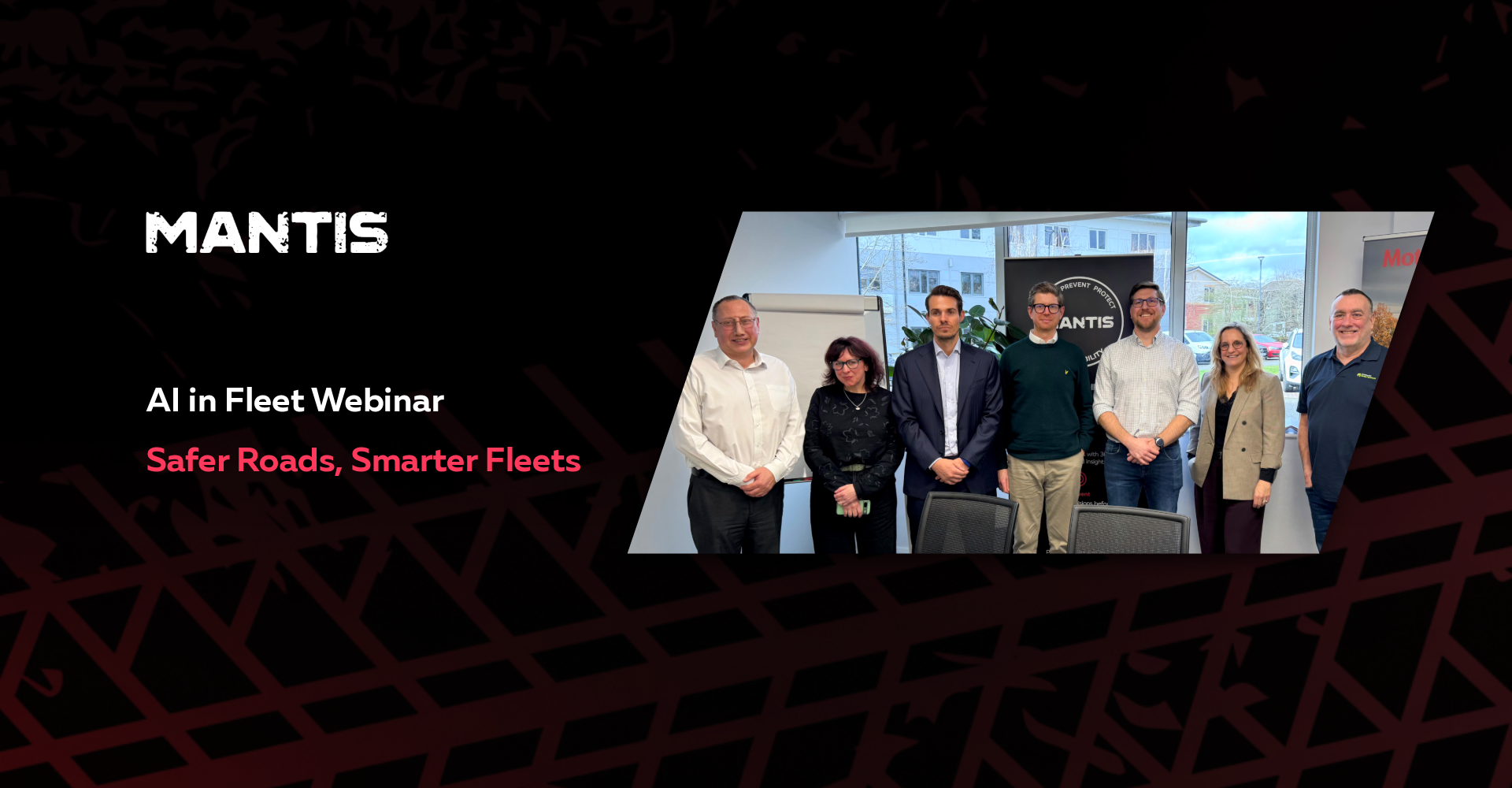
To explore this in more detail, MANTIS partnered with LEVL Telematics for a practical webinar. The session is now available to watch on demand.
What is fleet loss ratio?
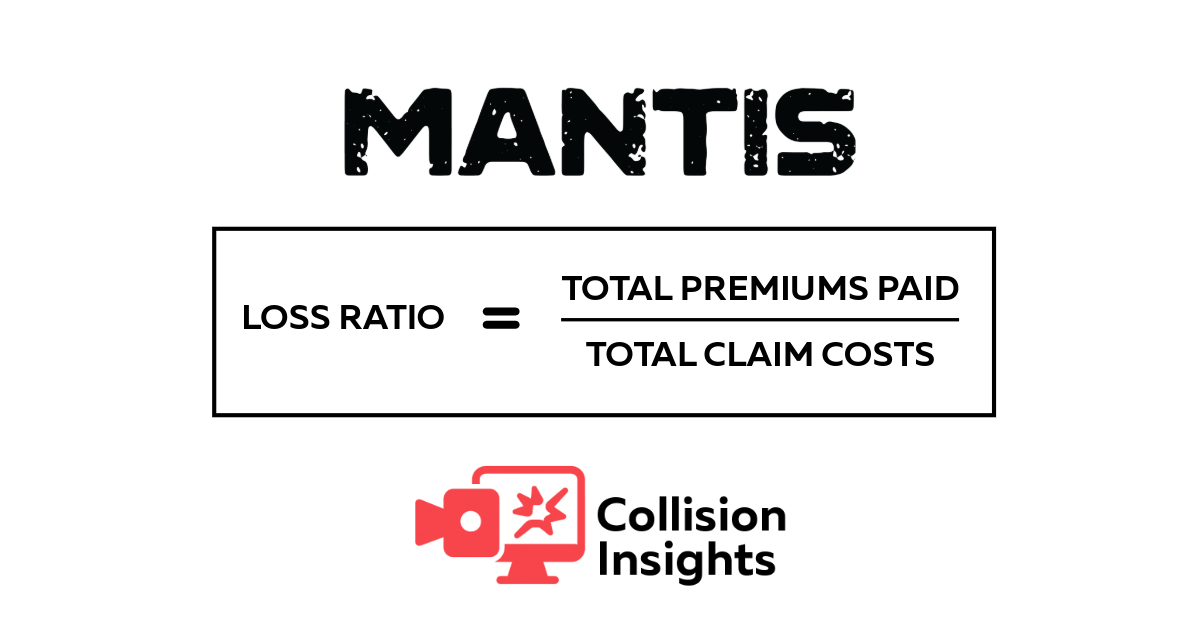
Fleet loss ratio is one of the key measures insurers use to assess fleet risk.
In simple terms, it compares the cost of claims against the insurance premium paid. If claims costs are high compared to premiums, the fleet becomes more expensive to insure.
For fleet operators, this means loss ratio is not just an insurance metric. It is an operational performance indicator.
It reflects how well a fleet is managing:
- Driver behaviour
- Incident frequency
- Claims evidence
- Vehicle risk
- Operational visibility
- Claims response time
The better the visibility, evidence and risk control, the stronger the position when it comes to claims and insurance discussions.
Why fleet insurance premiums are rising
Across the transport and logistics sector, operators are facing pressure from increasing claims costs, rising repair costs, vehicle downtime, fraudulent claims and higher legal expenses.
Many fleets are still managing incidents reactively. They only see the full picture after something has already happened.
That creates problems. Without clear evidence, fleets can struggle to challenge disputed claims. Without connected data, it becomes harder to identify risk before it turns into an incident. Without fast access to footage, claims can become more expensive and time-consuming than they need to be.
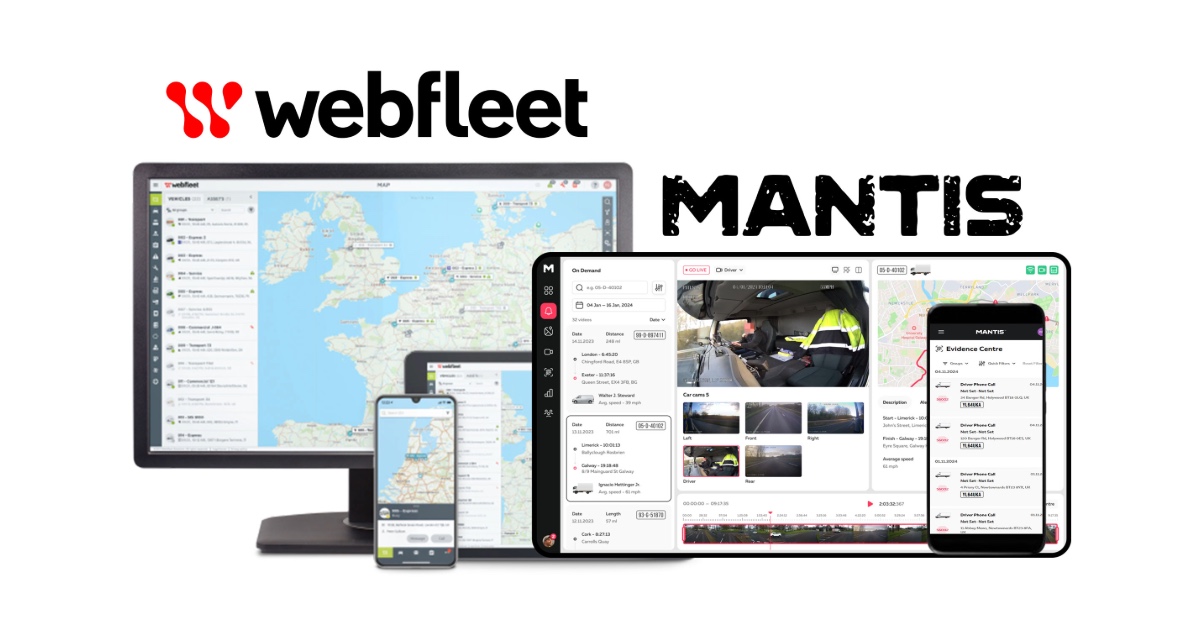
This is where connected camera intelligence and telematics data can make a measurable difference.
.png)
How fleets can take control
In the webinar, Matthew Vass from MANTIS and Andrew Pearce from LEVL discuss practical ways fleets can reduce claims and improve loss ratio performance.
The session focuses on three key areas.
1. Prevent incidents before they happen
The best claim is the one that never happens. By combining telematics data with connected camera intelligence, fleets can identify patterns of risk before they lead to incidents.
This includes behaviours such as harsh braking, speeding, distraction, fatigue, tailgating or risky manoeuvres.
When operators have better visibility of driver behaviour, they can take action sooner. That means more targeted coaching, stronger accountability and a clearer understanding of where risk is increasing across the fleet.
2. Prove what really happened
When an incident occurs, evidence matters. Without video footage, fleets can be left relying on incomplete reports, conflicting statements or third-party accounts.
Connected camera systems give operators a clearer view of what happened, helping to protect drivers, vehicles and the business.
Video evidence can support faster decisions, reduce uncertainty and help challenge non-fault, disputed or fraudulent claims.
For fleets, this is about more than proving liability. It is about creating a reliable source of truth.
3. Resolve claims faster
The longer a claim remains unresolved, the more expensive it can become. Delays can lead to increased hire costs, storage fees, legal involvement and administrative time. For busy fleets, this also creates operational disruption.
Fast access to clear video evidence can help accelerate the claims process.
With the right connected camera and telematics setup, fleets can respond quickly, share evidence with insurers and reduce unnecessary claim escalation.
That speed can make a meaningful difference to total claims cost and loss ratio performance.
Why this matters for fleet operators
Improving loss ratio is not about one single system or one isolated safety initiative.
It requires a joined-up approach to risk, visibility and evidence.
Fleet operators need to be able to:
- See what is happening across the fleet
- Identify risk before incidents occur
- Protect drivers with clear evidence
- Reduce the cost and complexity of claims
- Strengthen conversations with insurers
- Build a more proactive safety culture
This is where MANTIS and LEVL bring complementary value.
LEVL provides telematics expertise to help fleets understand vehicle and driver data. MANTIS provides connected camera intelligence to give operators the visual evidence and operational visibility needed to act with confidence.
Together, this gives fleets a stronger foundation for risk reduction, claims defence and insurance control.
Watch the webinar on demand
The full webinar is now available to watch on demand.
In the session, you will learn:
- Why fleet loss ratio matters
- What is driving claims and premium pressure
- How telematics data can identify risk
- How connected camera intelligence can protect fleets
- How video evidence supports faster claims resolution
- Practical steps operators can take to improve safety and reduce cost
If you are responsible for fleet safety, operations, risk, compliance or insurance performance, this session is worth watching.
Access the recording
To watch the full recording, click the link below:





.png)


.png)




.jpeg)




.png)